Yes, you can usually sell physical or digital products you make with commercial use clipart, as long as the licence that came with your download covers commercial use and you’re not reselling the art files on their own.
That one word, licence, decides everything. The same olive or lemon illustration can be fine on a batch of wedding menus and against the rules in a clipart pack you bundle up yourself. Here’s how to read the line.
Table of Contents
What does commercial use clipart actually mean?
Clipart almost always ships with a licence, and the licence is what you’re really paying for. It spells out what you’re allowed to do with the art. Two versions turn up again and again.
- Personal use only. You can use the art in projects for yourself, family and friends. No selling, no paid client work.
- Commercial use. You can use the art in things you sell, within whatever limits the shop sets. Sometimes there’s a cap on how many finished items, sometimes a seat limit if a team is working from the same files.
So commercial use clipart is simply clipart sold with a licence that allows that second row. Most of my Italian and Tuscan packs are written with small makers in mind, but you should never assume from the listing alone. Open the licence file in your download and read it before the first sale.
Where the licence actually lives
It’s usually a small PDF or text file tucked inside the download folder, or a terms page on the shop itself. If you can’t find one anywhere, ask the seller before you build a single thing you plan to sell. A clear answer in writing is worth keeping.
Can you sell things made with fruit and olive clipart?
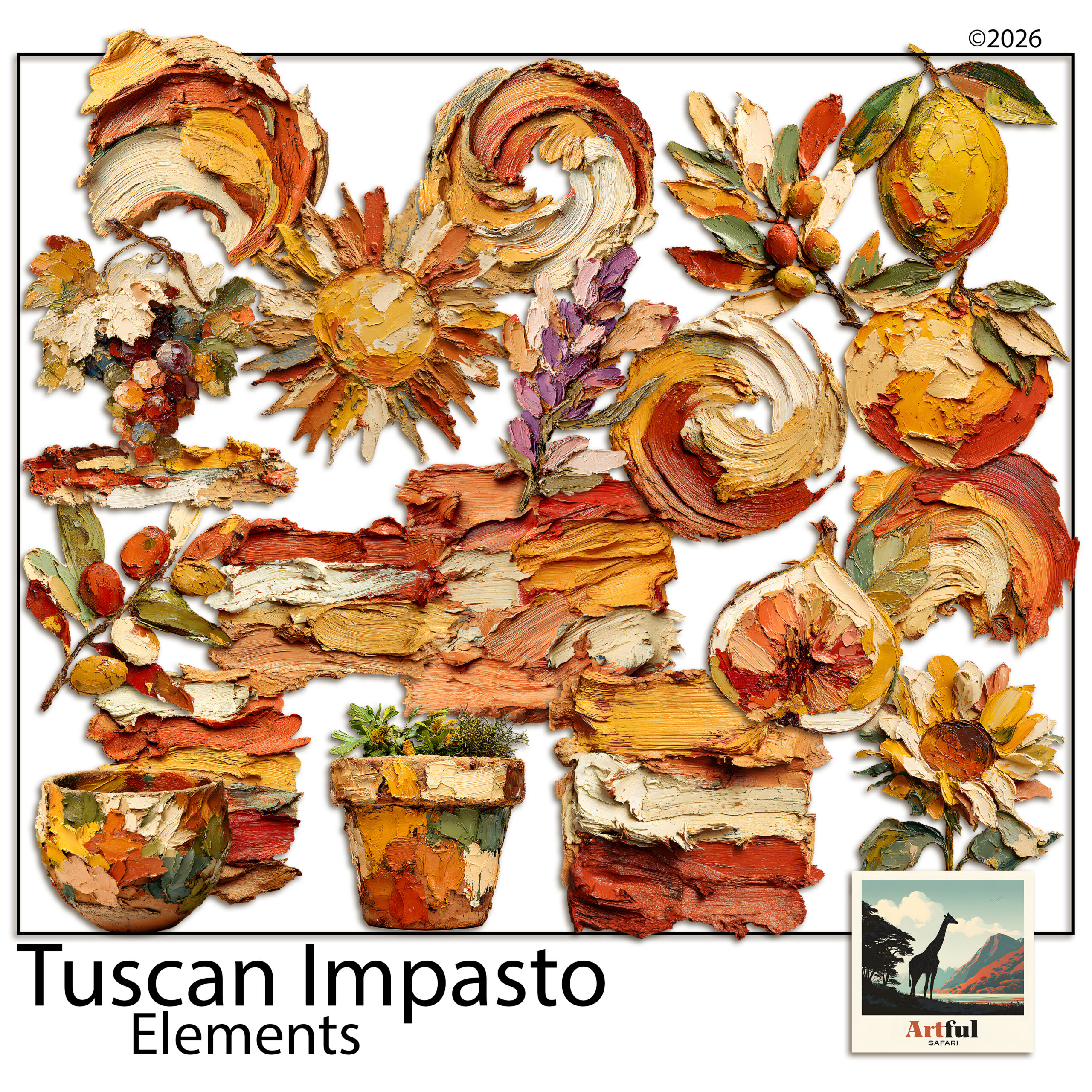
With a commercial licence, yes. Olive, lemon and fruit commercial use clipart is some of the most useful art around for handmade goods, because it sits so naturally on kitchen and wedding products. Things people commonly make and sell with it:
- Greeting cards and recipe cards
- Wedding invitations, menus and place cards
- Print-on-demand tea towels, aprons and mugs
- Labels and packaging for a small food, oil or soap business
- Finished digital scrapbook pages sold as a one-off keepsake
The thread running through every one of those: the art is baked into a finished product. That is the part that matters, far more than what the art happens to show.
Commercial use clipart: what you can and can’t do
Most licences come down to the same handful of rules. This is the general shape of it. Your specific licence wins if it says something different, so treat this as a map, not the law.
| You can usually… | You usually can’t… |
|---|---|
| Sell finished cards, invitations and products | Sell the clipart files as clipart |
| Use the art in paid client work | Share, swap or give the files to others |
| Make print-on-demand items with the designs | Drop the art into your own digital kit or template |
| Flatten the art into a single finished image | Hand over editable, layered originals to a buyer |
| Use it across many products (check the cap) | Claim the artwork as your own creation |
Selling finished pages vs reselling the kit
This is the line that trips most people up, and it’s worth slowing down on. There’s a world of difference between selling something you made and selling the thing you bought.
Fine: a flattened card design, a printed invitation suite, a finished digital scrapbook layout exported as a single image.
Not fine: pulling the PNGs back out and offering them as clipart, dropping them into a kit with your name on it, sharing the files, or selling an editable template that quietly hands the original art to the buyer.
The test I use: if your customer ends up holding the original art in a form they could lift and reuse, you’ve slid from selling a product into redistributing the commercial use clipart itself. That is the one thing nearly every licence forbids, free or paid.
What about print-on-demand and mass production?
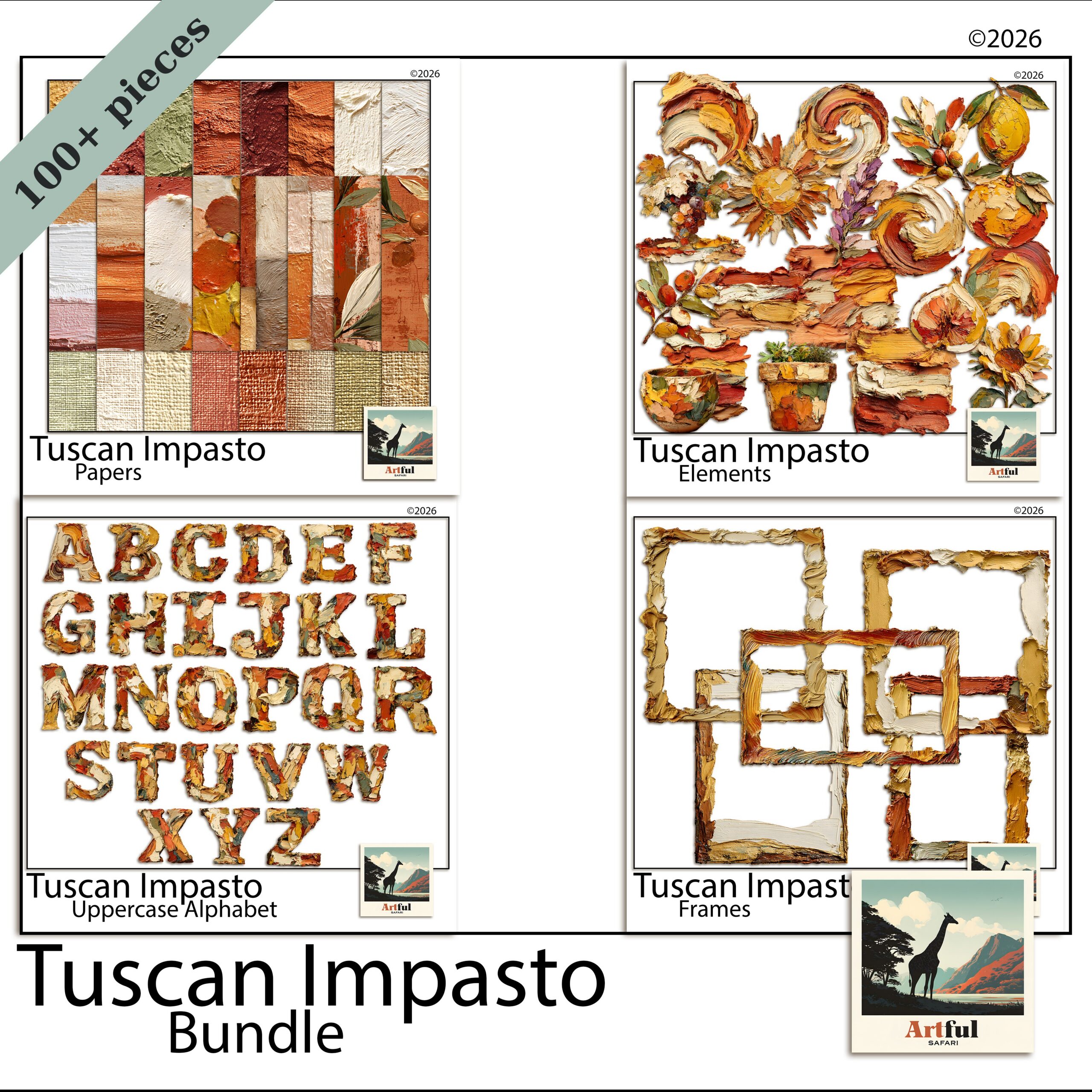
Print-on-demand sits in a grey area for a lot of sellers, so check it by name. Some licences allow unlimited finished items, some cap you at a few hundred, and a few treat POD as its own tier because the platform technically stores your uploaded design. If you’re listing tea towels or mugs through a print service, look for the words mass production or a quantity number in the licence. The standard small-maker licence on most of my commercial use clipart packs is written for exactly this kind of handmade and small-batch selling. A giant retail run of thousands is a different conversation, and that’s when you email the seller first.
Free vs paid commercial use clipart: mind the gap
It’s tempting to grab free clipart off a search and skip the whole licence question, but free is where people get caught out. A lot of free art is personal use only, even when the page doesn’t say so loudly, and some of it isn’t the uploader’s to give away in the first place. If you build a product line on a free download that turns out to be someone else’s stolen art, the problem becomes yours, not theirs.
Paid commercial use clipart is usually cheaper than the headache. You get a written licence, a named seller you can email, and art that’s actually theirs to license. For anything you intend to sell, I’d treat a clear commercial licence as part of the cost of doing business, the same as your packaging or your listing fees.
A quick sanity check before you commit
Before you design a whole range around one pack, ask: does the licence name commercial use in writing, is the seller findable if I need to ask a question, and am I selling a finished product rather than the art itself? Three yeses and you’re almost always fine.
Do you have to credit the artist?
For a paid commercial licence, usually not. A credit is a kindness, not a requirement, and many shops say so plainly in the terms. Free downloads are where credit lines appear more often, so read those especially closely. And if you want to tag the shop because you’re chuffed with how a card turned out, that’s always welcome on my end.
Staying on the right side of a commercial use clipart licence
- Read the licence file before you make anything for sale, and save a copy with your shop records.
- Note any limits: number of finished items, number of users, whether mass production is allowed.
- Flatten or export your finished work so the original art can’t be recovered.
- Never sell, share or give away the source files as art.
- If a use isn’t mentioned and you’re unsure, email the seller. A two-line question saves a lot of grief later.
Want to go deeper on selling your own finished layouts rather than clipart? I wrote a companion piece, Can You Sell Digital Layouts?, that picks up right where this one leaves off.
Key takeaways
- Commercial use clipart can be sold on finished products when the licence allows it.
- Selling a finished item is fine; reselling or sharing the art files is not.
- Read the licence, keep a copy, and note any quantity or seat limits.
- Credit is usually optional on paid licences, but always check free downloads.
Frequently asked questions
What is the difference between personal and commercial use clipart?
A personal licence lets you use the art only in projects for yourself, family and friends. A commercial use clipart licence lets you use the art in things you sell, within the limits the shop sets.
Can I sell cards and invitations made with the clipart?
Yes, if your licence covers commercial use. Cards, invitations, menus and similar finished products are exactly what a commercial licence is for, as long as you sell the finished item and not the art files.
Can I put the clipart in my own digital kit or template to sell?
No. Reselling the art as clipart, bundling it into your own kit, or handing layered originals to a buyer breaks almost every licence. Sell the flattened finished product instead.
Do I have to credit the artist when I sell something?
Usually not for a paid commercial licence, though it’s a nice gesture. Free downloads more often ask for a credit, so read those terms carefully.
Is there a limit to how many products I can make?
Often yes. Many commercial licences cap the number of finished items or treat large mass-production runs separately. Check your licence and ask the seller for big print runs.